
Follow Me On Social Media!



If you love sports, you’ve probably found yourself discussing games, players, and strategies with friends or online communities. At some point, many sports fans start thinking: why not create my own sports blog and share my opinions with the world?
Starting a sports blog is one of the easiest ways to combine passion with creativity. You can write about your favorite teams, analyze matches, review equipment, or cover sports news. With the right approach, a sports blog can also grow into a profitable website.
The good news is that creating a sports blog today is easier than ever. With modern platforms like WordPress and affordable hosting services, you can launch a website in just a few hours.
In this guide, you’ll learn step by step how to start a sports blog, from choosing a niche to publishing your first article and growing your audience.
Table of Contents
Quick Overview: Steps to Start a Sports Blog
Before we dive deeper into each step, here is a quick overview of the process.
| Step | What You’ll Do |
|---|---|
| 1 | Choose a sports niche |
| 2 | Pick a blog name and domain |
| 3 | Select a hosting provider |
| 4 | Install WordPress |
| 5 | Choose a WordPress theme |
| 6 | Customize your website |
| 7 | Install useful plugins |
| 8 | Publish your first articles |
| 9 | Promote your blog |
| 10 | Monetize your website |
Following these steps will help you build a strong foundation for your sports blog.
1. Choose a Sports Blog Niche
The first and most important step is choosing your niche.
Sports is a huge category that includes hundreds of different topics. If you try to cover everything, it becomes difficult to stand out. Instead, it’s better to focus on a specific topic you are passionate about.
Examples of sports blog niches include:
- Football analysis
- Basketball news
- Fitness and training tips
- Sports gear reviews
- Running or marathon training
- Esports competitions
- Fantasy sports leagues
Choosing a focused niche helps you attract a specific audience and build authority over time.
The most successful sports blogs usually focus on something the writer truly enjoys discussing.
2. Choose a Blog Name and Register a Domain
After selecting your niche, the next step is choosing a name for your sports blog.
Your blog name should be:
- Easy to remember
- Short and simple
- Related to sports or your niche
- Unique and brandable
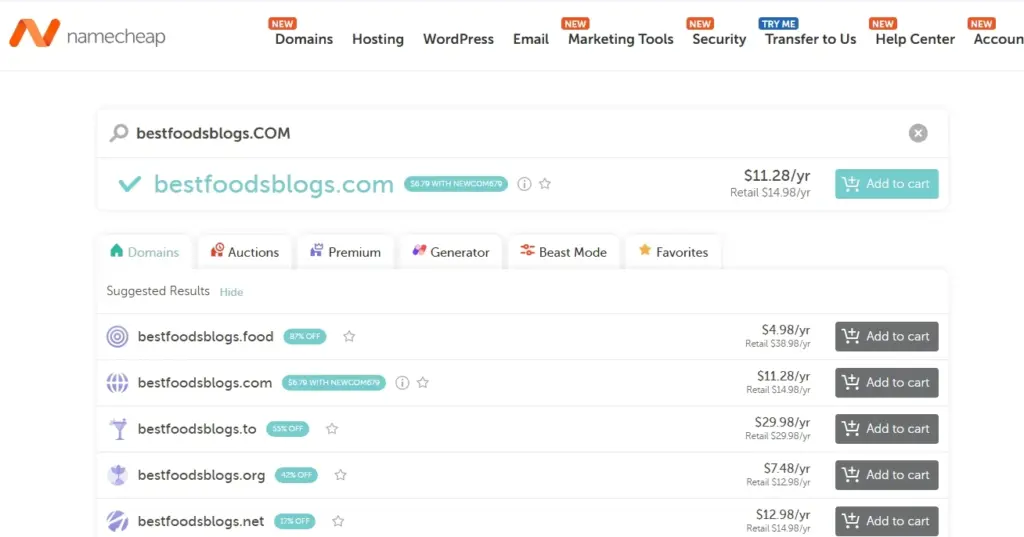
Once you choose a name, you’ll need to register a domain name, which is the address people type in their browser to visit your website.
Example domain names:
mysportszone.com
footballinsider.net
runingtipsblog.com
Most domain names cost around $10–15 per year, and many hosting companies include a free domain when you purchase hosting.
3. Choose a Web Hosting Provider
Web hosting is the service that stores your website files and makes them accessible online.
Without hosting, your website cannot exist on the internet.
For beginners, shared hosting is usually the best option because it is affordable and easy to manage.
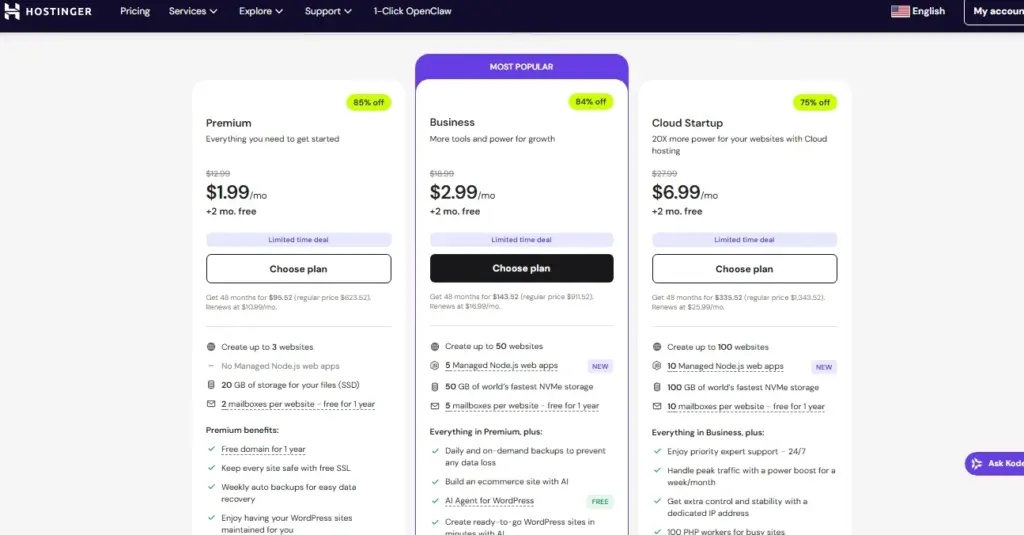
When choosing a hosting provider, look for:
- Good uptime (99.9% or higher)
- Fast loading speed
- WordPress compatibility
- Reliable customer support
- Affordable pricing
A good hosting provider ensures your sports blog runs smoothly and loads quickly for visitors.
4. Install WordPress
WordPress is one of the most popular content management systems used for blogging. It powers millions of websites because it is flexible, easy to use, and highly customizable.
Most hosting companies offer a one-click WordPress installation, which means you can install it in just a few minutes.
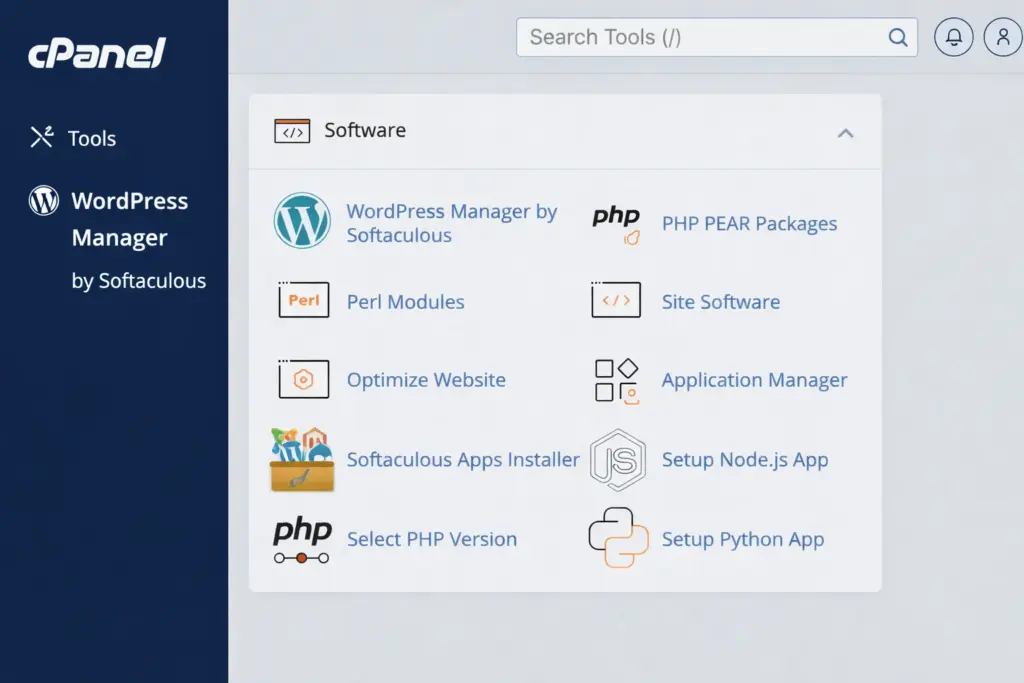
Typical installation steps:
Login to your hosting dashboard
Open the WordPress installer
Enter your website name and login details
Click install
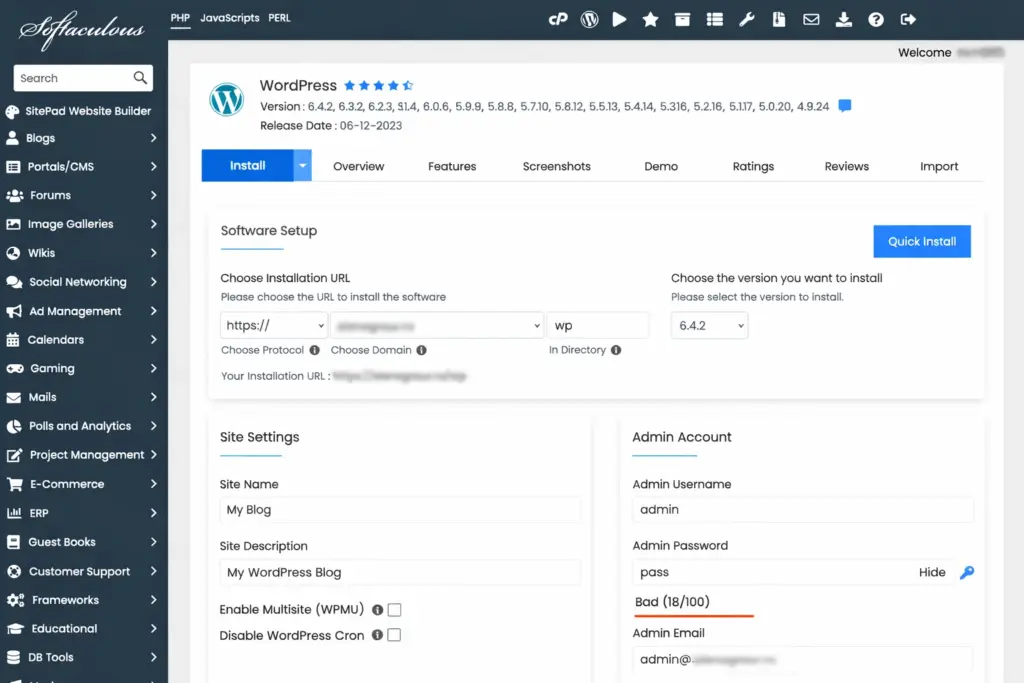
Once installation is complete, you can access your website dashboard by visiting:
yourdomain.com/wp-admin
This is where you will manage your blog content, design, and settings.
5. Choose a WordPress Theme
Your WordPress theme controls the design and layout of your website.
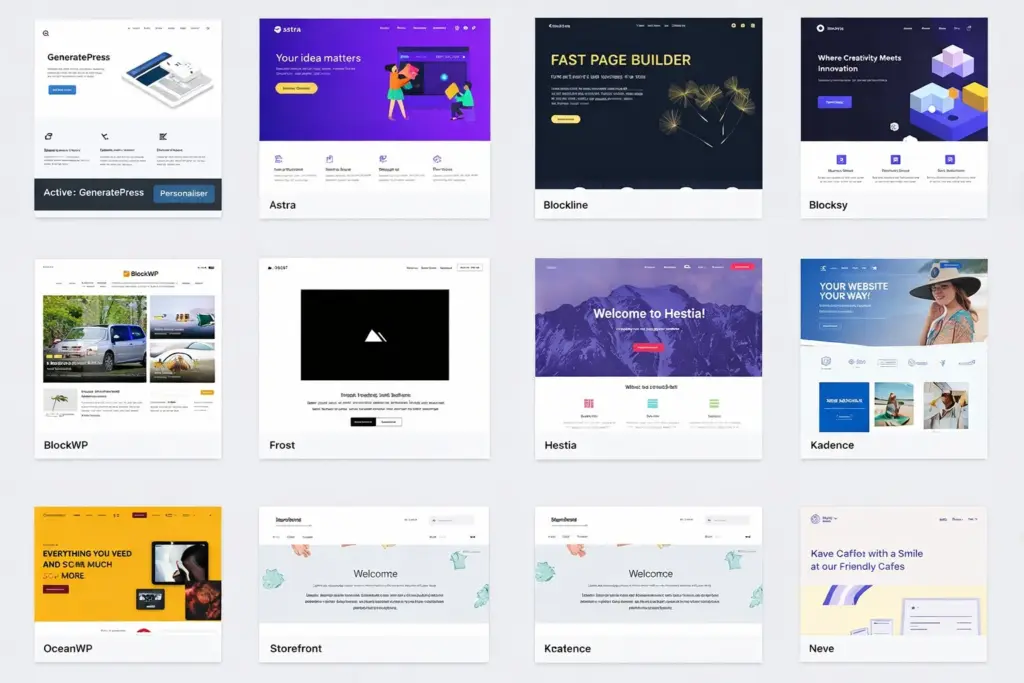
A good theme should be:
- Fast and lightweight
- Mobile friendly
- Easy to customize
- Compatible with plugins
For sports blogs, magazine-style themes work particularly well because they highlight news, articles, and featured content.
A clean design improves readability and keeps visitors engaged longer.
6. Customize Your Blog
After installing your theme, you can customize your website.
This includes:
- Uploading your logo
- Choosing colors and fonts
- Creating a homepage layout
- Adding a navigation menu
- Setting up categories
Example blog categories for a sports website:
| Category | Purpose |
|---|---|
| Match Analysis | Game breakdowns |
| Player Profiles | Articles about athletes |
| Sports News | Latest updates |
| Training Tips | Fitness and coaching tips |
| Gear Reviews | Equipment reviews |
Organizing your content properly helps readers find the information they are looking for.
7. Install Essential Plugins
Plugins allow you to add extra functionality to your WordPress website.
Some useful plugins for sports blogs include:
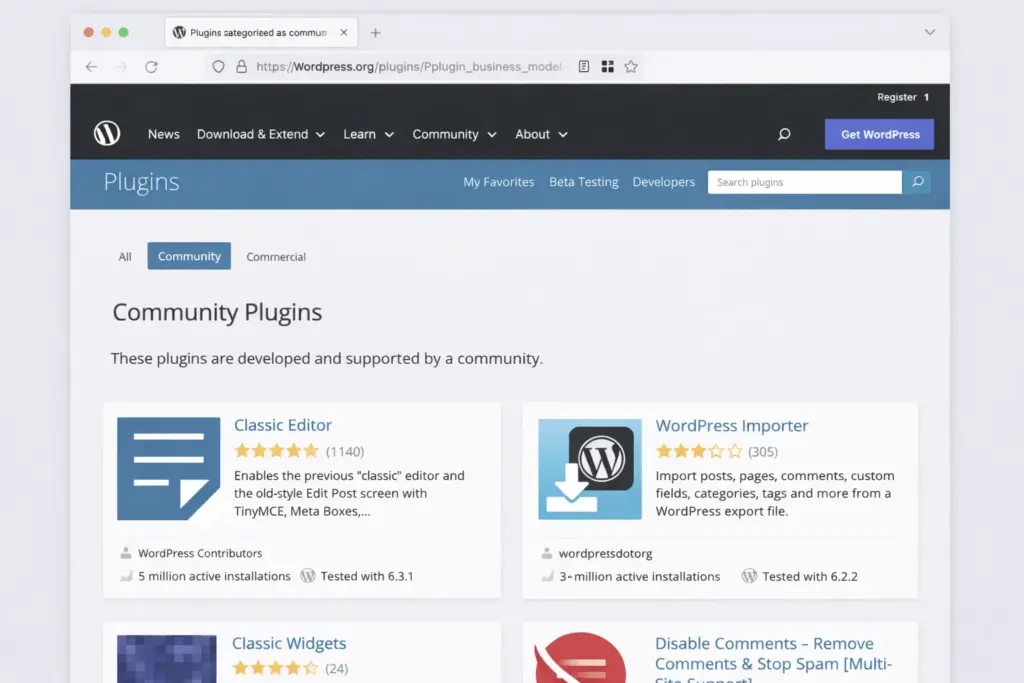
| Plugin Type | Purpose |
|---|---|
| SEO plugin | Improve search engine rankings |
| Security plugin | Protect your website |
| Caching plugin | Improve loading speed |
| Social sharing plugin | Allow readers to share articles |
| Backup plugin | Protect your content |
Installing too many plugins can slow down your website, so it’s best to keep only the essential ones.
8. Create High-Quality Sports Content
Content is the heart of every blog.
Your goal should be to create helpful, interesting, and engaging articles related to your sports niche.
Examples of sports blog content:
- Match previews and analysis
- Player performance reviews
- Sports news commentary
- Training and fitness guides
- Equipment comparisons
Tips for writing better sports blog posts:
- Use clear headlines
- Break content into sections
- Include statistics and analysis
- Add images or videos
- Write consistently
Consistency is key when building an audience.
9. Promote Your Sports Blog
Publishing articles is only the first step. To grow your audience, you also need to promote your blog.
Popular promotion strategies include:
- Sharing posts on social media
- Joining sports forums
- Participating in online communities
- Writing guest posts
- Optimizing content for search engines
Over time, these strategies can bring consistent traffic to your website.
10. Make Money From Your Sports Blog
Once your blog begins receiving regular traffic, you can start monetizing it.
Common monetization methods include:
| Method | How It Works |
|---|---|
| Display ads | Earn money from ad impressions |
| Affiliate marketing | Promote sports products |
| Sponsored posts | Partner with brands |
| Digital products | Sell guides or courses |
| Memberships | Offer exclusive content |
Many bloggers combine several of these methods to generate income from their websites.
Final Thoughts
Starting a sports blog is a great way to share your passion for sports while building a personal brand online.
The process is simple:
- Choose a niche you enjoy
- Set up your website with WordPress
- Publish useful content regularly
- Promote your articles
- Grow your audience over time
With dedication and consistency, your sports blog can become both a creative outlet and a profitable online project.