
Follow Me On Social Media!



Search engine optimization has always evolved, but the pace of change over the last couple of years has been especially fast. With AI-generated search answers appearing at the top of many results pages, some website owners are beginning to question whether SEO is still worth the effort.
It’s a fair concern. If search engines and AI tools can answer questions directly, will users still visit websites?
The short answer is yes — SEO still works in 2026. However, the way it works has changed significantly.
Instead of focusing only on keywords and rankings, modern SEO is about becoming the most helpful and trustworthy source of information for a topic. Websites that provide clear answers, strong technical performance, and real expertise are still gaining traffic — even in the age of AI-powered search.
In this guide, we’ll explore what has changed about SEO, which strategies are still effective, and how website owners can adapt their approach to stay competitive.
Table of Contents
Yes, SEO Still Works in 2026 — But the Strategy Has Changed
Search engines continue to rely on websites as their primary source of information. Even AI tools such as ChatGPT, Gemini, and other generative search platforms depend on web content to generate answers.
What has changed is how search engines present that information.
Instead of simply showing a list of links, search engines often display:
- AI-generated summaries
- Featured snippets
- Rich results
- Direct answers
Because of this shift, SEO is no longer just about ranking in position #1. It’s about ensuring your content is clear, structured, and authoritative enough to be selected as a trusted source.
Websites that adapt to this new model can still grow their organic traffic and visibility.
What Has Actually Changed About SEO
While the fundamentals of SEO remain the same, several major trends have reshaped how search engines evaluate and display content.
1. AI-Powered Search Results Are Now Common
One of the biggest changes is the rise of AI-generated answers in search results.
These AI summaries attempt to answer a user’s question immediately without requiring them to click a website.
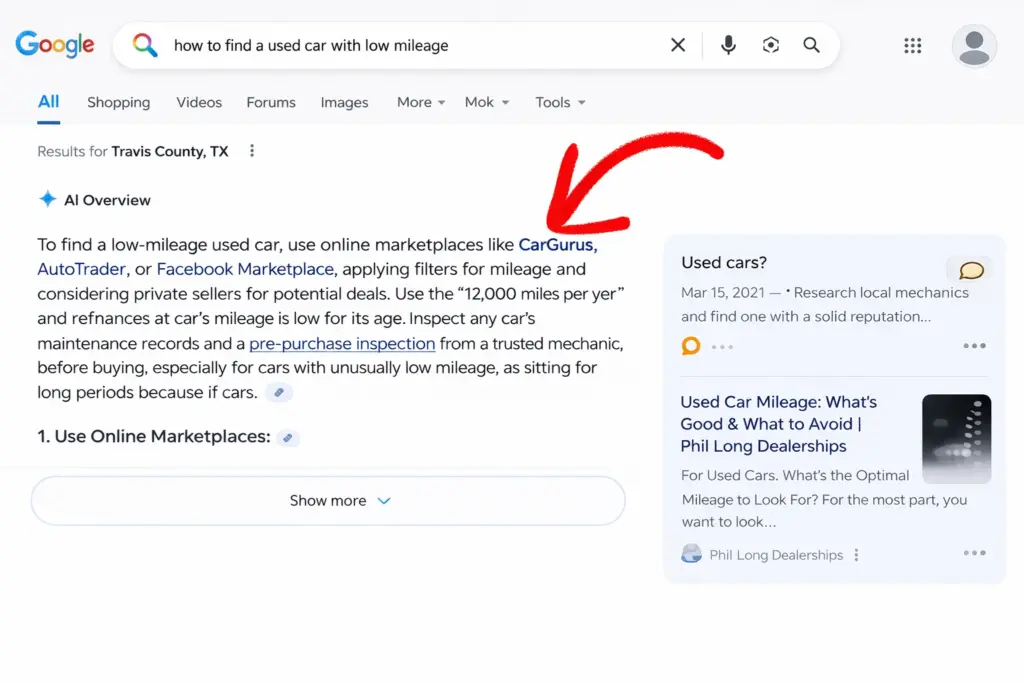
For website owners, this means SEO has expanded beyond traditional rankings. Your goal is now to make your content:
- Easy for AI systems to understand
- Reliable enough to be cited
- Structured so it can be summarized accurately
When your content becomes a trusted source, it can still receive traffic through links, citations, and deeper content exploration.
2. Understanding User Intent Is More Important Than Ever
Search engines have become significantly better at interpreting why someone performs a search, not just what words they use.
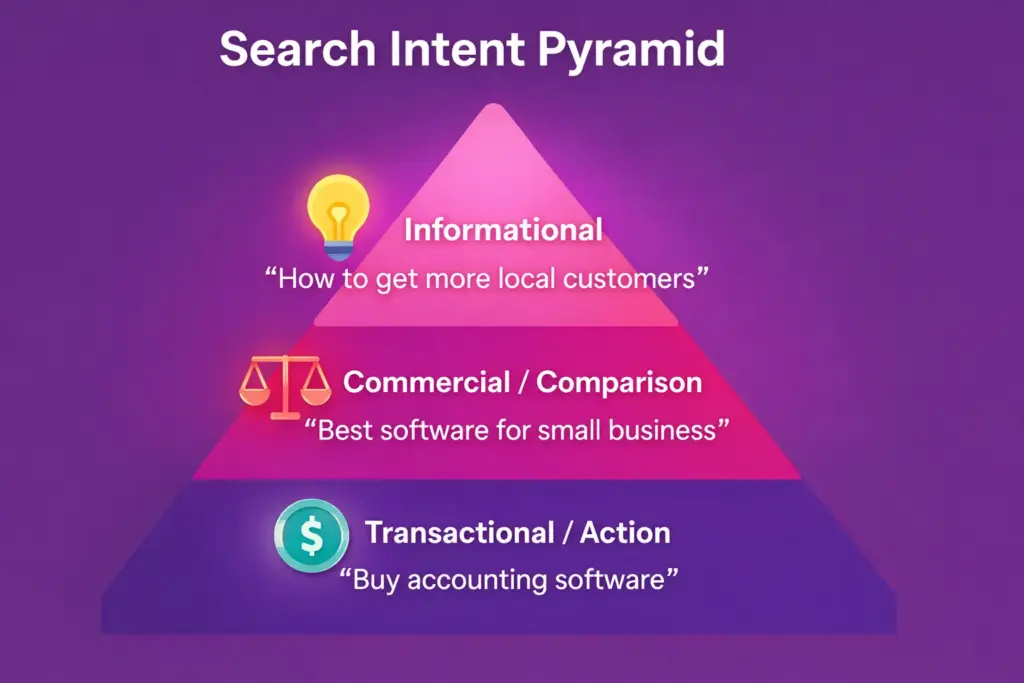
For example, when someone searches for:
“best email marketing software”
They usually want more than a simple list. They’re likely looking for:
- Feature comparisons
- Pricing information
- Ease of use
- Setup instructions
- Recommendations for their specific business size

If your content only lists a few tools without detailed explanations, it may struggle to compete.
Instead, successful content focuses on solving the user’s real problem.
Here are a few examples of how intent works in different industries:
| Search Query | What the User Actually Wants |
|---|---|
| “how to get local customers” | Marketing ideas, local SEO tips, and review strategies |
| “restaurant menu design” | Visual examples, layout ideas, and pricing psychology |
| “reduce abandoned carts” | Practical strategies like emails, discounts, and shipping offers |
| “consulting pricing strategy” | Frameworks, real examples, and negotiation advice |
Understanding intent helps you create content that feels useful rather than generic.
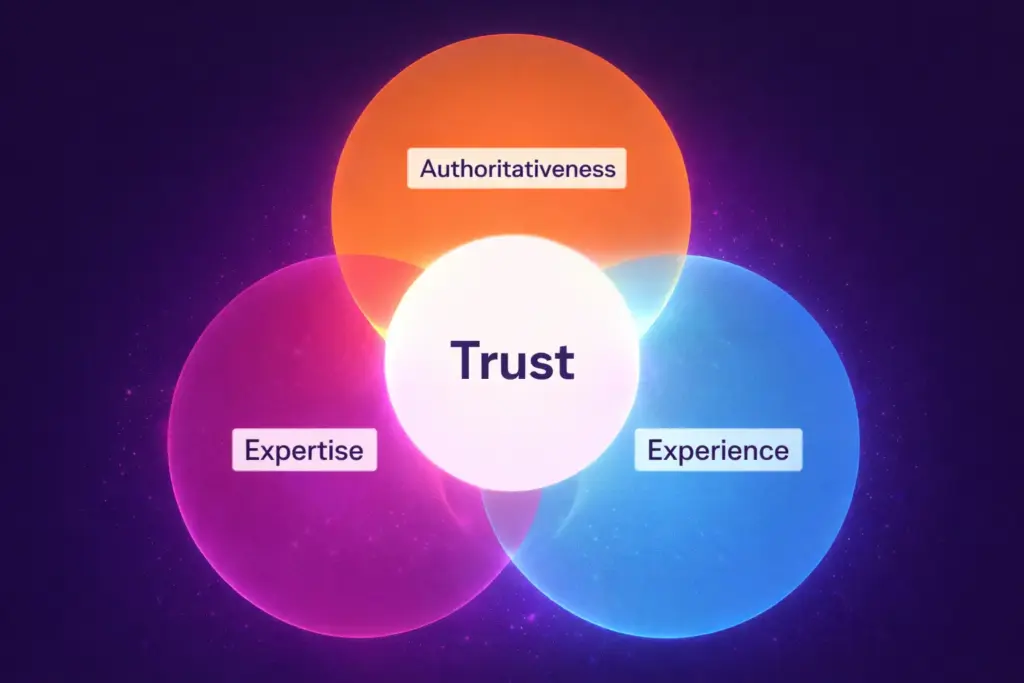
3. Technical SEO Matters More Than Before
Even the best content won’t perform well if your website has technical problems.
Search engines and AI systems need to crawl, understand, and index your pages easily.
Some of the most important technical factors include:
| Technical Factor | Why It Matters |
|---|---|
| Website speed | Faster sites improve user experience and rankings |
| Mobile optimization | Most users browse from phones |
| Structured data | Helps search engines understand page content |
| Reliable hosting | Ensures your website stays accessible |
| Crawlability | Allows search engines to index important pages |
A technically healthy website increases the chances that your content will appear in both traditional results and AI-generated answers.
What’s Working in SEO Right Now
Modern SEO success typically comes from combining content quality with strong site structure.
Many successful websites are using strategies such as:
Topic Clusters
Instead of publishing random standalone articles, websites now organize content around connected topic groups.
For example:
Main Topic: WordPress SEO
Supporting articles might include:
- WordPress SEO checklist
- Best SEO plugins for WordPress
- How to optimize WordPress speed
- How to add schema markup
These interconnected articles help search engines recognize your website as an authority on that subject.
Updating Existing Content
Many websites are seeing strong results simply by improving their existing articles.
Common improvements include:
- Adding FAQ sections
- Updating outdated information
- Improving headings and structure
- Including videos or visual examples
- Adding schema markup
Search engines reward content that stays accurate and helpful.
Optimizing Content for AI Visibility
Modern content should be structured in a way that both humans and AI tools can easily understand.
Some effective practices include:
- Writing clear answers to common questions
- Using descriptive headings
- Organizing content into sections
- Adding lists and step-by-step instructions
Structured information makes it easier for search engines to extract and reference your content.
A Simple SEO Strategy That Works in 2026
If you want to improve your website’s SEO today, a straightforward four-step approach can make a big difference.
Step 1: Audit Your Website
Start by checking the health of your website.
Look for issues such as:
- Slow loading pages
- Broken links
- mobile usability problems
- indexing errors
Tools like Google Search Console and PageSpeed Insights can help identify these issues.
Step 2: Structure Content Clearly
Search engines and AI systems prefer well-organized content.
Good structure usually includes:
- Clear headings (H2, H3)
- bullet lists
- short paragraphs
- FAQ sections
These elements improve readability and help search engines interpret your content.
Step 3: Build Topical Authority
Instead of targeting dozens of unrelated keywords, focus on becoming an expert within a specific niche.
To build authority:
- publish detailed guides
- link related articles together
- include real examples and case studies
- update older content regularly
Search engines increasingly reward depth of knowledge.
Step 4: Improve User Experience
Search engines monitor how visitors interact with your site.
Poor user experience can negatively impact rankings.
Important UX factors include:
- easy navigation
- fast page loading
- readable text
- mobile-friendly design
- clear call-to-action elements
A website that is easy to use will naturally keep visitors engaged longer.
SEO Tactics That No Longer Work
Some older SEO tactics are no longer effective and can even harm your rankings.
Here’s a quick comparison.
| Outdated Strategy | Better Alternative |
|---|---|
| Keyword stuffing | Write naturally and focus on helpful content |
| Buying spam backlinks | Earn links through quality content |
| Thin articles | Create detailed, comprehensive guides |
| Ignoring mobile users | Use mobile-first design |
| Repeating exact anchor text | Use natural, varied linking |
Modern SEO rewards quality and trust rather than shortcuts.
Useful SEO Tools for WordPress Websites
Having the right tools can make managing SEO much easier.
Here are some commonly used tools for website owners.
| Tool | Purpose |
|---|---|
| Google Search Console | Monitor search performance |
| Google Analytics | Track traffic and user behavior |
| Ahrefs Webmaster Tools | Identify technical SEO issues |
| Semrush | Keyword research and competitor analysis |
| WordPress SEO plugins | Manage technical SEO settings |
These tools help identify opportunities for growth and track progress over time.
What SEO May Look Like in the Next Few Years
Looking ahead, search will likely become even more conversational.
Users may interact with search engines in longer question formats, similar to how they communicate with AI assistants.
Because of this shift, content that performs well will likely:
- answer multiple related questions
- provide detailed explanations
- include structured information
- demonstrate real expertise
Websites that focus on building trust and authority will continue to perform well.
A Simple 90-Day SEO Improvement Plan
If you want to strengthen your SEO strategy, consider following a simple three-month plan.
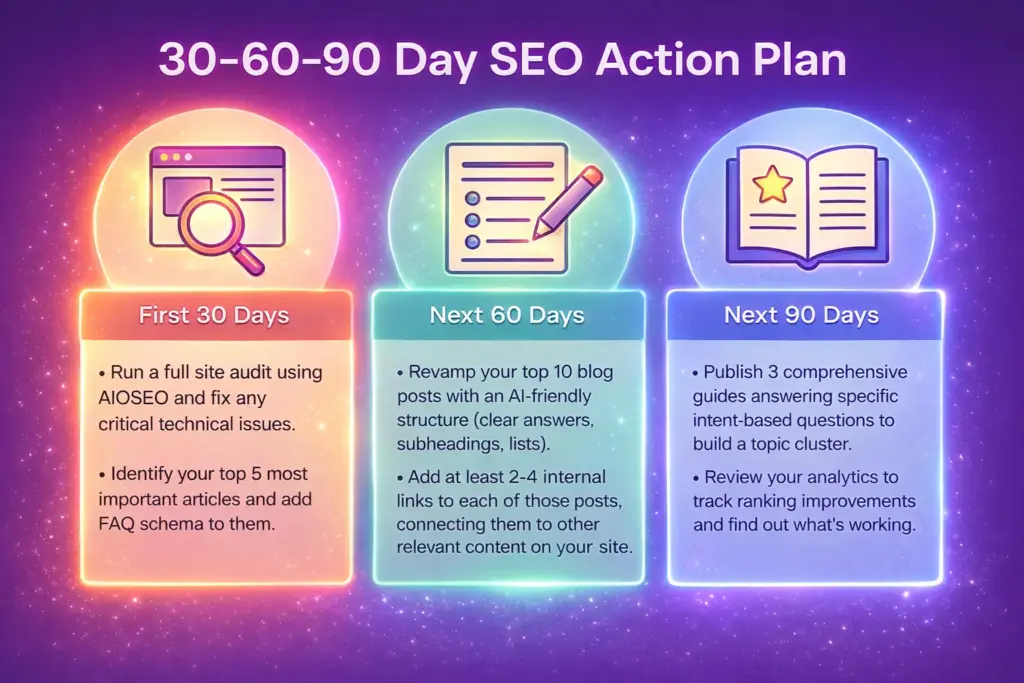
First 30 Days
- Run a full SEO audit
- Fix technical issues
- Improve your most important articles
Next 60 Days
- update older blog posts
- add internal links between related content
- improve content structure
Next 90 Days
- publish several detailed guides
- build topic clusters
- analyze traffic and ranking changes
Consistent improvement often produces better results than trying to change everything at once.
Final Thoughts
Despite the rise of AI search tools and new search result formats, SEO is far from obsolete.
In fact, high-quality websites remain essential to the entire search ecosystem. AI systems still rely heavily on web content to generate their answers.
The difference today is that success requires helpful content, strong technical foundations, and genuine expertise rather than outdated ranking tricks.
Website owners who focus on solving real user problems, structuring their content clearly, and building trust within their niche can continue to grow their traffic — even in the evolving landscape of search.
SEO hasn’t disappeared in 2026. It has simply matured into a more sophisticated and user-focused strategy.