
Follow Me On Social Media!



Starting a food blog usually begins with a simple passion. Maybe you enjoy cooking at home, experimenting with recipes, or sharing meals with family and friends. At first, it feels like a hobby — taking photos of dishes, writing recipes, and publishing them online.
But after some time, many bloggers start asking the same question:
Can a food blog actually make money?
The short answer is yes. Many successful bloggers have turned their recipe websites into profitable businesses by combining multiple income streams like advertising, affiliate marketing, sponsored content, and digital products.
Of course, building a profitable blog doesn’t happen overnight. It takes consistent content, patience, and the right monetization strategy. In this guide, I’ll walk you through the most effective ways food bloggers generate income today.
Table of Contents
How Much Money Can Food Bloggers Make?
Before diving into the strategies, it’s helpful to understand the potential earnings.
Food blogging income varies widely depending on traffic, niche, and monetization methods. Some bloggers earn a few hundred dollars per month, while others generate full-time income from their sites.
Examples from successful food blogs show the wide range of possibilities:
| Blog Example | Estimated Earnings |
|---|---|
| Small blogs | $100 – $1,000/month |
| Growing blogs | $1,000 – $10,000/month |
| Established blogs | $10,000+/month |
Some well-known food blogs have even reported monthly earnings in the tens of thousands of dollars once they reach large audiences.
The key takeaway is simple: most profitable blogs combine several monetization methods rather than relying on a single income source.
Best Ways to Make Money With a Food Blog
Let’s look at the most common ways food bloggers generate revenue.
1. Display Advertising
Display advertising is often the first income source bloggers use when their website starts getting traffic.
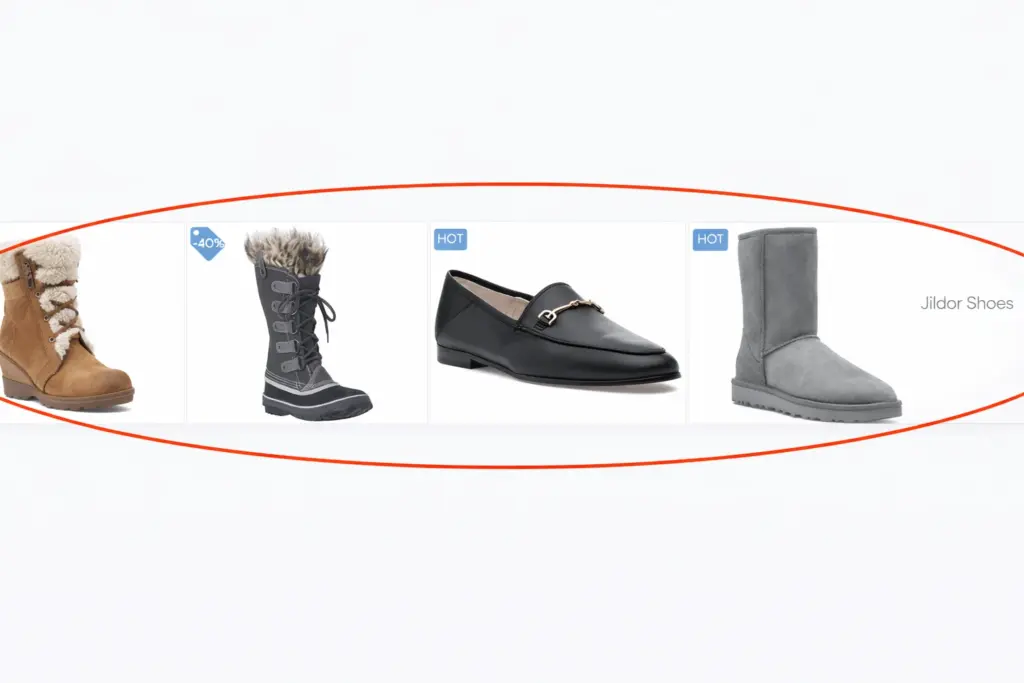
These are the banner or in-content ads you see on many recipe websites. They are usually managed by ad networks that automatically place ads on your site.
How It Works
You sign up with an advertising network, add a small code to your website, and the network handles the rest.
You typically earn money based on:
- Impressions (CPM) – paid for every 1,000 views
- Clicks (CPC) – paid when users click an ad
Popular Ad Networks
| Ad Network | Best For |
|---|---|
| Google AdSense | Beginners |
| Mediavine | High-traffic blogs |
| AdThrive | Established blogs |
Google AdSense is usually the easiest starting point because it has no strict traffic requirements.
Example AdSense code snippet:
<script async src="https://pagead2.googlesyndication.com/pagead/js/adsbygoogle.js"></script>
<ins class="adsbygoogle"
style="display:block"
data-ad-client="ca-pub-xxxxxxxx"
data-ad-slot="123456"
data-ad-format="auto"></ins>
As your traffic grows, advertising can become one of the most reliable income sources for a food blog.
2. Affiliate Marketing
Affiliate marketing is another popular strategy for monetizing a food blog.
With affiliate marketing, you recommend products or tools and earn a commission when readers purchase them through your link. (Food Blogger Pro)
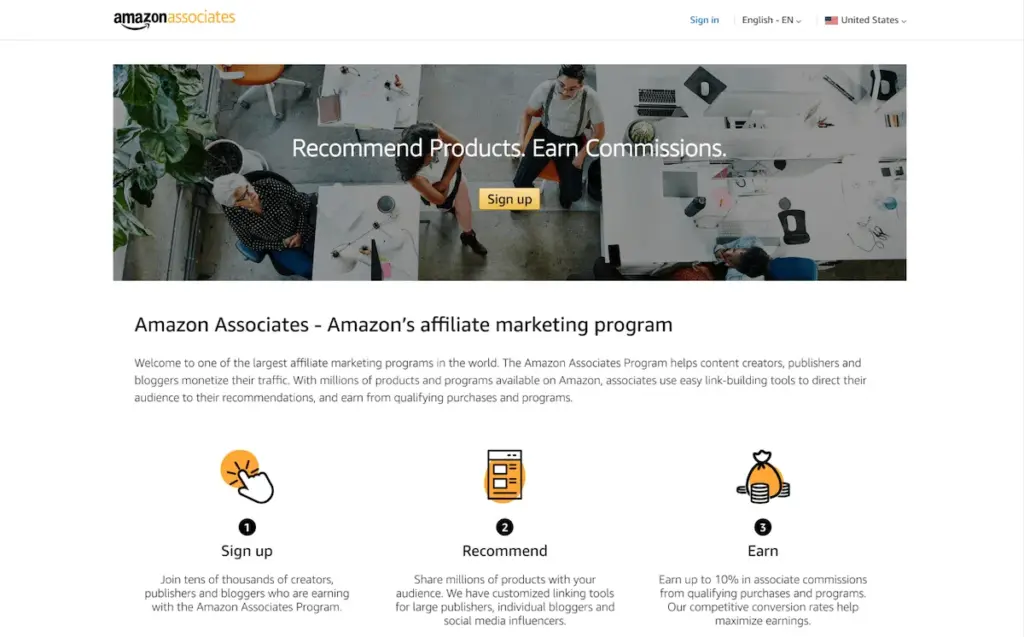
Food bloggers often promote:
- Kitchen equipment
- Cooking tools
- Ingredients
- Online cooking courses
Example Affiliate Links
| Product | Example Commission |
|---|---|
| Blender | 5–10% |
| Cookware | 4–8% |
| Kitchen gadgets | 3–10% |
Example affiliate link:
<a href="https://amazon.com/product123?ref=affiliateID">
Check this blender on Amazon
</a>
The key to successful affiliate marketing is recommending products you actually use and trust.
3. Sponsored Posts
As your blog grows, brands may approach you to promote their products.
Sponsored posts are collaborations where companies pay you to feature their product in a recipe, article, or social media post.
Typical sponsored content includes:
- Recipe featuring a product
- Kitchen tool review
- Brand promotion
- Social media campaigns
Payment varies depending on your audience size.
| Blog Size | Typical Sponsored Post Rate |
|---|---|
| Small blog | $100 – $300 |
| Medium blog | $300 – $1000 |
| Large blog | $1000+ |
Many bloggers create a media kit that shows their traffic statistics, audience demographics, and collaboration options.
4. Sell Your Own Digital Products
Another great way to earn income is selling digital products related to your recipes.
Unlike ads or affiliate marketing, digital products allow you to keep most of the profit.
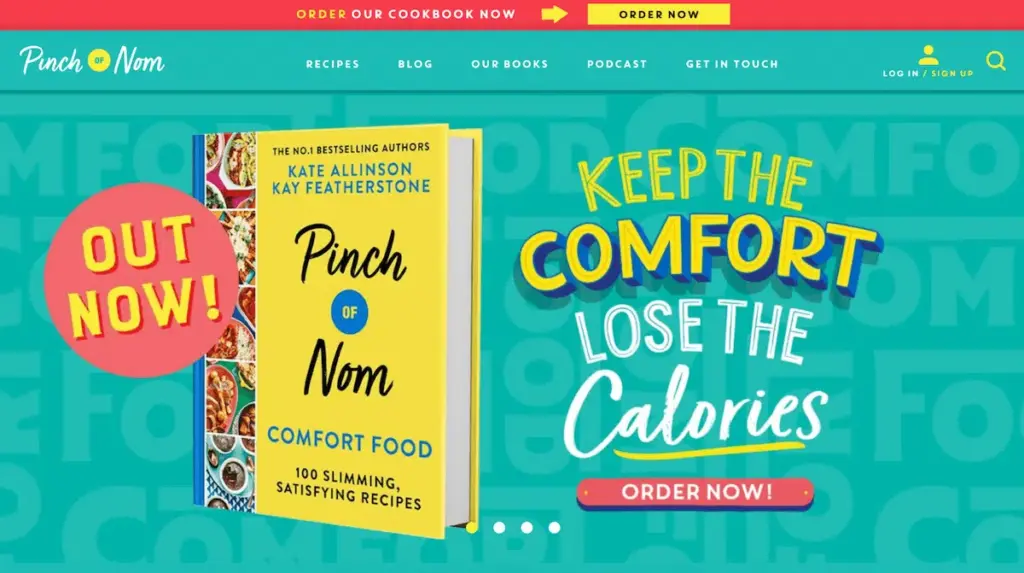
Common examples include:
- Recipe ebooks
- Meal plans
- Cooking guides
- Online cooking courses
Example product table:
| Product | Average Price |
|---|---|
| Recipe Ebook | $10 – $25 |
| Meal Plan Bundle | $15 – $40 |
| Cooking Course | $50 – $200 |
Once created, digital products can generate passive income for years.
5. Create a Cookbook
Many successful food bloggers eventually publish their own cookbook.
This can be done in two ways:
Traditional Publishing
A publishing company handles editing, printing, and distribution.
Self Publishing
You publish the book yourself using platforms like Amazon Kindle.
Example structure for a cookbook:
Chapter 1: Quick Breakfast Recipes
Chapter 2: Healthy Lunch Ideas
Chapter 3: Family Dinner Recipes
Chapter 4: Desserts and Treats
Cookbooks can also help increase your credibility and grow your brand.
6. Offer Freelance Services
Your food blog can also act as a portfolio for freelance work.
Many bloggers offer services such as:
- Recipe development
- Food photography
- Content writing
- Social media management
Example freelance pricing:
| Service | Average Rate |
|---|---|
| Recipe creation | $100 – $300 |
| Food photography | $150 – $500 |
| Blog article writing | $100 – $400 |
This can be a good way to earn money while your blog traffic is still growing.
7. Sell Online Courses
Online education is another profitable opportunity.
If you have expertise in cooking, blogging, or photography, you can create courses teaching those skills.

Example course outline:
Module 1 – Kitchen Basics
Module 2 – Food Photography
Module 3 – Recipe Development
Module 4 – Blogging and SEO
Courses can be hosted on platforms like:
- Teachable
- Thinkific
- Kajabi
Many bloggers sell courses priced between $50 and $300.
Tips for Building a Profitable Food Blog
Making money from a food blog takes time, but these strategies can help accelerate growth.
Focus on High-Quality Content
Search engines and readers value original recipes, helpful guides, and clear instructions.
Learn Basic SEO
Search engine optimization helps your recipes appear in Google results and attract organic traffic.
Build an Email List
Email newsletters allow you to stay connected with readers and promote new recipes or products.
Use Multiple Income Streams
Relying on one monetization method can be risky. Most successful blogs combine ads, affiliates, products, and sponsorships.
Final Thoughts
Food blogging is more than just sharing recipes — it can become a real business if you approach it strategically.
By combining several monetization methods such as:
- Display advertising
- Affiliate marketing
- Sponsored content
- Digital products
- Freelance services
you can gradually turn your blog into a steady source of income.
The most important thing is to focus on creating helpful content and building trust with your audience. Once people enjoy your recipes and return regularly, monetization opportunities will naturally follow.