
Follow Me On Social Media!



So you’ve decided to start an online store. Amazing! Now comes the part that trips up pretty much everyone: which platform do you actually use?
If you’ve done even five minutes of research, you’ve already run into the Shopify vs. WooCommerce debate. And honestly, it can feel overwhelming — there are a million opinions out there and everyone seems to have a strong one.
Here’s the deal: both platforms are genuinely great, but they’re built for very different types of people. Get the choice wrong and you’ll either be paying way too much, or pulling your hair out trying to fix a broken plugin at 2am.
Let’s break it all down — no fluff, no jargon, just the real stuff.
Table of Contents
TL;DR — The Quick Answer
| Feature | Shopify | WooCommerce |
|---|---|---|
| Best for | Beginners, busy founders | Tech-savvy users, budget-conscious |
| Starting cost | ~$29/month | Free plugin + ~$3–5/month hosting |
| Ease of setup | ⭐⭐⭐⭐⭐ (4-min setup) | ⭐⭐⭐ (more DIY) |
| Customization | 3,000+ apps | 55,000+ plugins |
| Hosting | Included & managed | You handle it |
| Support | 24/7 live support | Community forums + AI support |
| Page speed | Faster on average | Depends on your hosting |
| Transaction fees | 1% extra (non-Shopify Payments) | None |
| Ownership | Shopify’s platform | 100% yours |
Quick verdict: Shopify if you want simplicity. WooCommerce if you want control and savings.
A Little Street Cred First
Before we dive in, it’s worth noting that e-commerce entrepreneur Travis Marziani, who’s done over $7 million in sales, swears by knowing your platform before you launch. The wrong choice early on can cost you thousands in migration headaches later. So let’s get this right the first time.
Shopify: The “Just Works” Platform
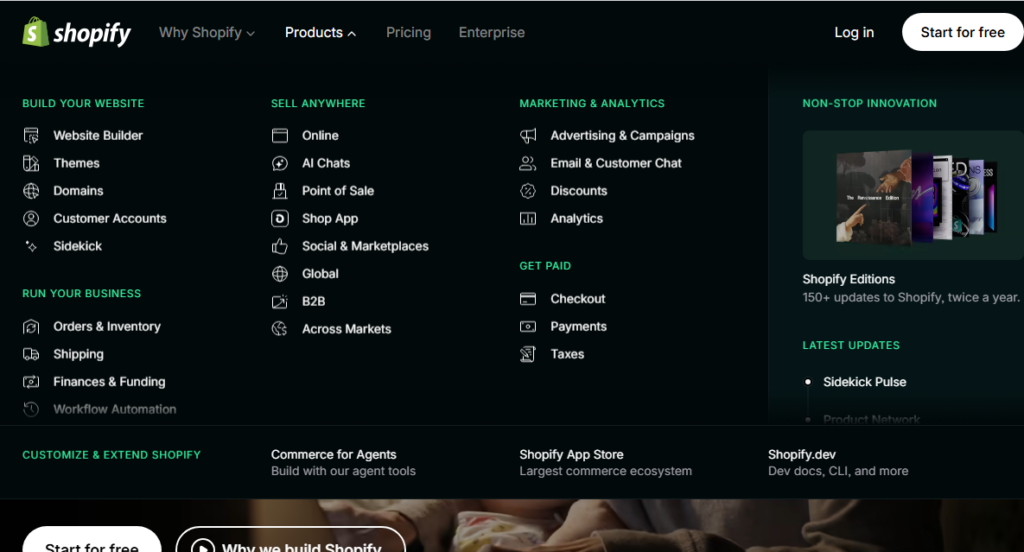
Shopify currently powers over 7 million merchants and has helped process more than $183 billion in sales. Those aren’t small numbers. There’s a reason so many people trust it.
What Makes Shopify So Good
It’s stupidly easy to set up.
We’re talking a legit 4-minute setup if you know what you’re doing. You pick a template, add your products, connect a payment method, and boom — you have a store. No web hosting to configure, no databases to manage, nothing.
The drag-and-drop interface is clean and intuitive. If you can use Gmail, you can build a Shopify store.
It’s fast. Like, really fast.
Shopify-hosted stores load twice as fast on average compared to WooCommerce setups. And in 2026, page speed isn’t just a nice-to-have — it directly affects your Google rankings and your conversion rate. Slow sites lose sales. Period.
You’ll never have a checkout crash.
Shopify handles all the hosting, security, and server management for you. On Black Friday, when your store suddenly gets 10x the traffic, Shopify absorbs that without breaking a sweat. That peace of mind? Priceless.
24/7 support that actually helps.
Got a problem at midnight? Shopify has real humans available around the clock via chat, email, and phone. When your livelihood depends on your store, that matters.
FOR FREE TRIAL : Start a Shopify Free Trial – Shopify
The Shopify Downsides (Yes, There Are Some)
It’s not cheap.
The Basic plan starts at $29/month, and that’s before you start adding apps (many of which cost $10–50/month each) or premium themes (which can run $150–350 one-time). Your monthly costs can creep up surprisingly fast.
Transaction fees are annoying.
If you want to use a third-party payment processor (like Stripe or PayPal) instead of Shopify Payments, you’ll pay an extra 1% fee on every transaction. It’s not massive, but it adds up — especially if you’re doing volume.
They can shut you down.
Okay, this one’s a bit scary. Shopify has terms of service. If you’re selling something they decide they don’t like (even if it’s completely legal), they can shut your store down without much warning. It’s happened. Not super common, but worth knowing.
WooCommerce: The “Build It Your Way” Beast
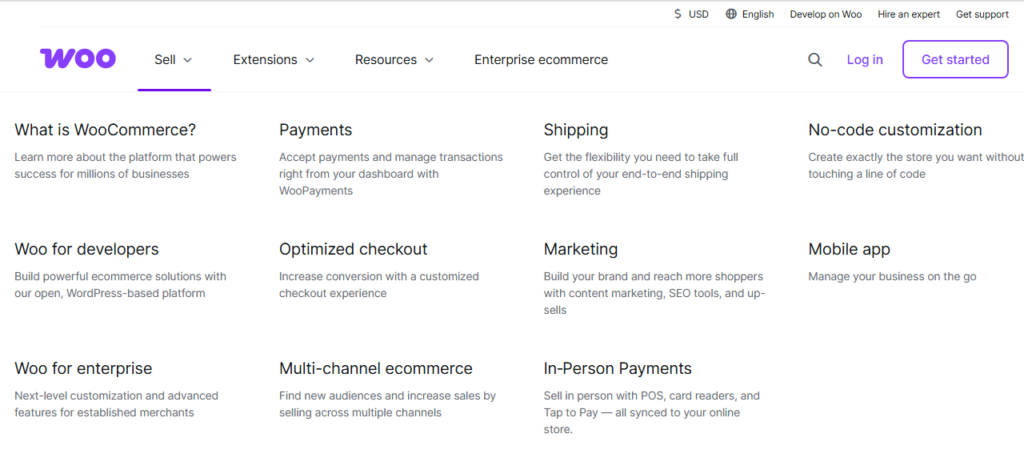
WooCommerce is a free WordPress plugin that powers an absolutely staggering 36% of all e-commerce websites on the internet. That’s not a coincidence — it’s genuinely powerful.
What Makes WooCommerce Awesome
You own everything.
This is the big one. With WooCommerce, your site lives on hosting you control. Nobody can shut you down for selling legal products. Nobody can change the rules on you overnight. It’s your store, full stop.
It’s incredibly cheap to start.
The WooCommerce plugin itself is free. Hosting through providers like Hostinger can run as little as $2–5/month. If you’re on a tight budget (and who isn’t when starting out?), this is a game-changer.
The customization is wild.
Shopify has around 3,000 apps. WooCommerce has access to 55,000+ plugins. Want some super niche feature? There’s probably a plugin for it. Want to completely redesign how your checkout works? You can do that. The flexibility ceiling is basically nonexistent.
One hosting plan, multiple stores.
If you’re thinking about running several websites or stores, a single WooCommerce hosting plan can support them all. With Shopify, you’d be paying separately for each store.
The WooCommerce Downsides (And They’re Real)
It requires more of you.
WooCommerce isn’t plug-and-play in the same way Shopify is. You’ll need to handle updates, backups, security plugins, and occasionally troubleshoot when something breaks. If you’re not even a little bit technical, this can become a headache.
Security is your responsibility.
Shopify’s security is locked down and handled for you. With WooCommerce, you’re responsible for keeping plugins updated, running security scans, and making sure your hosting is solid. Skip this stuff and you’re vulnerable.
Setup takes longer.
Getting a WooCommerce store looking polished and running smoothly takes more time and configuration than Shopify. You’ll probably need to install and configure several plugins just to match Shopify’s out-of-the-box feature set.
Head-to-Head: The Details That Actually Matter
💰 Pricing & Long-Term ROI
| Shopify | WooCommerce | |
|---|---|---|
| Monthly cost | $29–$299+ | ~$3–10 (hosting only) |
| Transaction fees | Up to 2% | 0% |
| Premium themes | $150–350 | Often free or cheaper |
| Apps/plugins | $10–50/month each | Many free options |
Bottom line: WooCommerce wins on pure cost — especially for years 2 and 3, when Shopify’s monthly fees really start to stack up. But if you’re making money, Shopify’s cost is easy to justify for the simplicity.
🚀 Ease of Setup
Shopify’s “out-of-the-box” experience is genuinely impressive. Everything you need — checkout, payment processing, product management, basic SEO tools — is built in. You’re selling within hours.
WooCommerce needs more assembly. You’ll install WordPress, then WooCommerce, then figure out which plugins you need for payments, shipping, SEO, and security. It’s manageable, but it’s more like IKEA furniture than a pre-built sofa.
🆘 Support & Community
Shopify: 24/7 dedicated support via chat, email, and phone. Fast, reliable, and actually helpful.
WooCommerce: No official dedicated support, but there’s a massive global community, tons of forums, detailed documentation, and many hosts like Hostinger offer AI assistants and support for WordPress/WooCommerce issues.
Technical Stuff (For Those Who Want to Know)
Security
Shopify handles SSL certificates, PCI compliance, and server security automatically. You don’t touch any of it — which is great if that stuff intimidates you.
WooCommerce puts security in your hands. That means installing a security plugin (like Wordfence), keeping WordPress and all plugins updated, and making sure your hosting has proper protection. It’s doable, but it requires attention.
Payment Gateways
Shopify Payments (their built-in solution) is super clean and avoids the extra transaction fee. It also supports Stripe and PayPal, but you’ll pay that 1% fee for using them.
WooCommerce plays nicely with virtually every payment gateway on the planet — Stripe, PayPal, Square, you name it — with zero platform-level transaction fees. More freedom, less cost.
So… Which One Should You Actually Pick?
🛍️ Choose Shopify if:
- You’re a total beginner and just want to get selling fast
- You have zero interest in dealing with technical stuff
- You’re willing to pay a monthly fee for peace of mind
- You want reliable 24/7 support
- Speed and stability are your top priorities
🛠️ Choose WooCommerce if:
- You’re watching your budget and want to minimize monthly costs
- You want full ownership and control of your store
- You’re planning to run multiple websites
- You have some technical comfort (or are willing to learn)
- You need highly specific functionality that requires deep customization
Key Takeaways
- Shopify = fast, easy, reliable — but costs more and you’re on their platform
- WooCommerce = cheap, customizable, yours — but requires more hands-on management
- Speed & support favor Shopify; cost & control favor WooCommerce
- Either platform can build a successful business — it really comes down to your situation
Frequently Asked Questions
Is WooCommerce actually free?
Sort of! The WooCommerce plugin itself is free, but you’ll still need to pay for web hosting (typically $3–10/month), a domain name (~$10–15/year), and potentially some premium themes or plugins. That said, it’s still significantly cheaper than Shopify in most cases — especially in the long run.
Can Shopify really shut down my store?
Yes, technically they can. Shopify has terms of service, and if you violate them (or even if they just decide your product category is off-limits), they can suspend or close your account. This is rare, but it has happened — particularly for sellers in industries like firearms accessories, supplements, or adult products. With WooCommerce and self-hosting, you’re not subject to a third-party platform’s rules.
Which platform is better for multiple websites?
WooCommerce wins this one easily. With a single hosting plan (like Hostinger’s business plan), you can host multiple WordPress/WooCommerce sites for one flat monthly fee. With Shopify, each store requires its own separate subscription.
Which is better for SEO?
Both platforms are solid for SEO, but WooCommerce (on WordPress) has a slight edge thanks to the deep control it gives you and access to powerful SEO plugins like Yoast and Rank Math. Shopify’s SEO tools are good and improving, but some technical limitations (like URL structure) can be frustrating for advanced users.
What if I’m a beginner with no technical skills?
Go with Shopify. It’s designed exactly for this scenario. You can focus on your products, marketing, and customers — and let Shopify handle the rest. Once your business grows and you feel more confident, you can always migrate to WooCommerce later if needed.
Conclusion: The Shopify vs. WooCommerce 2026 Verdict
Here’s the honest truth: in the Shopify vs. WooCommerce 2026 matchup, there’s no universal winner — there’s only the right choice for you.
Shopify is the better option if you want to launch fast, hate technical headaches, and can afford the monthly cost. It’s the closest thing to a “done-for-you” e-commerce solution out there.
WooCommerce is the better option if you’re budget-conscious, want complete ownership, or need deep customization. Yes, there’s more to manage — but the freedom and cost savings are very real.
Start where you are. If Shopify’s $29/month feels doable and the idea of managing hosting makes you anxious, start with Shopify. If you’re scrappy, technical, and want to keep costs low, WooCommerce is your friend.
💡 Pro Tip: The Third Option Nobody Talks About
If you’re trying to maximize income in 2026 without the headache of building and maintaining a store from scratch, consider Amazon FBA (Fulfilled by Amazon). You send your products to Amazon’s warehouse, and they handle storage, shipping, and customer service. It’s a completely different model, but for product-based businesses, it can generate serious revenue without the technical overhead of running your own store. Many successful entrepreneurs actually do both — their own Shopify or WooCommerce store and Amazon FBA — to diversify income streams.
Ready to start? If you’re leaning Shopify, check out their latest deals at shopify.com. If WooCommerce is calling your name, Hostinger is one of the best budget-friendly hosts for WordPress/WooCommerce setups.
Related Reading: