
Follow Me On Social Media!



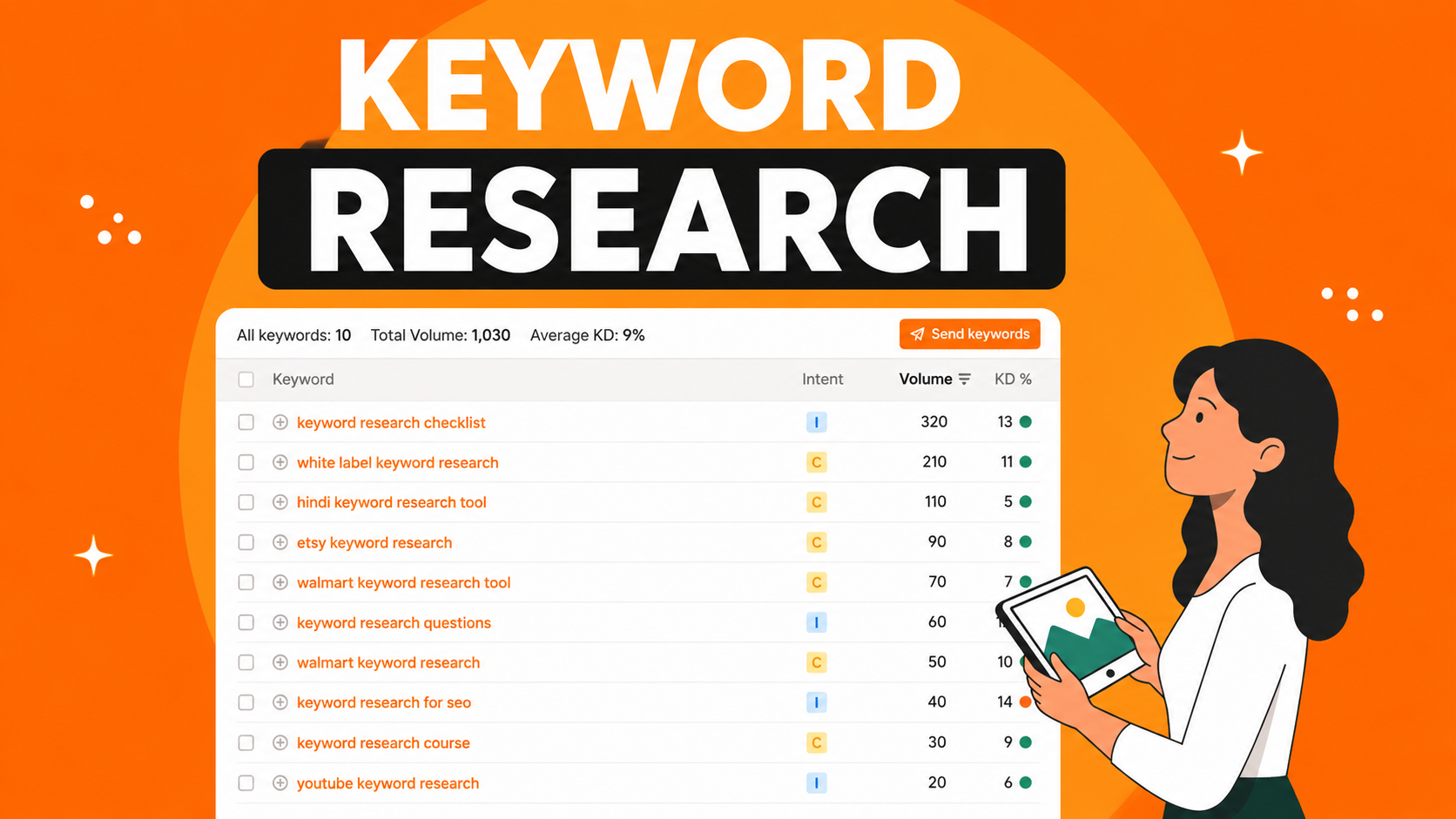
Long-Tail Keywords 2026: The Smarter, Saner Way to Win at SEO
Long-tail keywords 2026 is honestly the SEO conversation nobody’s having loudly enough — and if you’re still burning energy chasing those big, shiny short keywords, I’ve got some friendly but firm news for you: you’re working way too hard for way too little.
Whether you’re a blogger hustling to get noticed, an affiliate marketer trying to actually earn from your content, or a business owner who just wants customers to find you — the keywords you target today are writing your traffic story for tomorrow. And right now, that story should absolutely be about long-tail.
Search engines aren’t the simple matching machines they used to be. AI is running the show, intent matters more than volume, and stuffing broad keywords into your posts isn’t just outdated — it can actively tank your rankings. So in the whole short tail vs long tail SEO debate? Let’s settle it once and for all. No jargon, no fluff — just the stuff that actually matters.
Table of Contents
Short Keywords: Tempting, But Kind of a Trap
Short keywords — you might hear them called “head terms” or “seed keywords” — are those punchy one-or-two-word phrases like “SEO tips” or “digital marketing” that rack up millions of searches every month. And yeah, those numbers are very seductive on paper.
But here’s the reality check nobody puts in the brochure:
- The competition is genuinely frightening. You’re not competing with other bloggers — you’re competing with Moz, Forbes, HubSpot, and Google’s own content. On their worst day, they’d still crush you.
- People searching broad terms aren’t ready to do anything. They’re browsing. Window shopping. Just vibing on the internet.
- One short keyword can mean a dozen different things to a dozen different people — which makes it nearly impossible to satisfy everyone.
- Ranking takes forever. We’re talking months to years for established sites, and basically never for newer ones.
- The traffic looks great in reports and quietly does nothing for your actual revenue. Vanity metrics are a trap.
Trying to rank for “SEO” means going up against Search Engine Journal on a slow Tuesday. Unless your site has been quietly building authority for a decade — honestly, save yourself the heartbreak and skip it.
Long-Tail Keywords 2026: Your Underrated Secret Weapon
Okay so here’s where it gets exciting. Long-tail keywords are those longer, more specific search phrases — usually three to six words — that tell you exactly what someone is looking for. Things like “best long-tail keyword tools for WordPress 2026” or “short tail vs long tail SEO for small businesses.”
They sound smaller and less impressive. They’re genuinely not.
Why Long-Tail Keywords 2026 Are Quietly Dominating Search
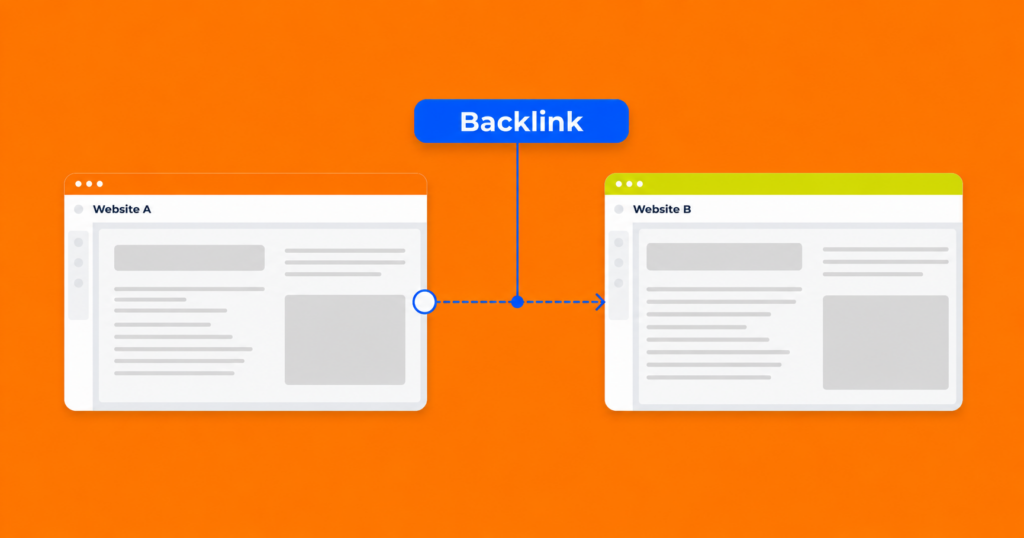
- They make up around 70% of all web searches — according to Backlinko’s keyword research data. The entire internet is basically searching in long-tail and we’re all sleeping on it.
- These searchers know exactly what they want — and they’re ready to act on it right now.
- The competition is so much more manageable. You’re not fighting giants for every millimeter of page one.
- Brand new websites can actually rank — sometimes within weeks. Not years. Weeks.
- Voice search was practically built for long-tail. Real people speak in full sentences, not keyword fragments.
- AI search tools absolutely love specific, helpful content. Generative engines reward intent-matching — which is long-tail’s whole personality.
Short Tail vs Long Tail SEO: The Honest Side-by-Side
| What We’re Comparing | Short Keywords | Long-Tail Keywords 2026 |
|---|---|---|
| Search Volume | Enormous | Smaller, but stacks up |
| Competition | Absolutely brutal | Totally manageable |
| Ranking Difficulty | Extremely hard | Actually achievable |
| Conversion Rate | 1–2% | 3–6%+ |
| Intent Clarity | Vague | Crystal clear |
| Voice Search Fit | Pretty poor | Perfect |
| AI Overview Visibility | Fiercely competitive | Far more accessible |
| Time to Rank | Months to years | Weeks to months |
Every single metric that actually matters for real business results points the same way. The short tail vs long tail SEO debate isn’t really a debate in 2026 — it’s a pretty clear verdict.
4 Genuine Reasons Long-Tail Keywords 2026 Is Winning
1. AI Search Has Completely Flipped the Script
Google AI Overviews, Perplexity, ChatGPT Search, Bing Copilot — these tools don’t just match keywords to content anymore. They understand context, nuance, and what the searcher actually means. A detailed, specific post about “how to reduce WordPress page load time on shared hosting” gets cited in AI-generated answers. A generic “WordPress speed” post gets quietly ignored.
Search Engine Land’s GEO research found that the three pillars of AI answer visibility are specificity, authority, and intent-matching. Long-tail content delivers all three without even trying. It’s almost unfair.
2. Nobody Actually Talks to Siri in Two-Word Chunks
Think about how you use voice search. You don’t say “Hey Google, WordPress monetize.” You say “What’s the best way to make money from a WordPress blog in 2026?” That full, conversational question? That’s a long-tail keyword. As voice search keeps growing on mobile, optimizing for the way humans naturally speak isn’t optional anymore — it’s just smart.
3. Google Has Gotten Obsessive About Intent
Ever since Google’s Helpful Content updates, search intent has been the primary thing the algorithm cares about. Short keywords are inherently ambiguous — “marketing” could mean a course, an agency, a job, a book, or a history lesson. Long-tail keywords are clear and specific, which makes writing genuinely satisfying content so much easier. And satisfied searchers = better rankings. Simple as that.
4. The Conversion Gap Will Genuinely Surprise You
Picture two visitors landing on your site. One searched “WordPress themes.” One searched “buy minimalist WordPress theme for food blog under $60.” Which one is closer to hitting your buy button? Neil Patel’s conversion research shows long-tail visitors convert at 3 to 5 times the rate of short keyword visitors. For anyone doing affiliate marketing, running an online store, or selling a service — that difference isn’t just interesting. It’s everything.
Short Keywords Still Have Their Moments Though
In the spirit of being fair — short keywords haven’t completely lost their purpose. They just can’t be your main strategy anymore.
Building Your Pillar Pages
Think of short keywords as the big signpost at the center of your content map. Your long-tail posts are all the roads that lead to it. Short keywords set the topic territory; long-tail content builds the authority. They genuinely work better together — just don’t lead with short keywords if your domain is still growing.
Top-of-Funnel Brand Awareness
A solid cornerstone page like “What is SEO?” tells Google you’re a credible voice on a topic, even if you never crack the top three for that term. Worth having — just don’t count on it driving much traffic early on.
Already-Established Sites Only
If your domain authority is sitting comfortably at 60 or above, you can start testing moderately competitive short keywords. Forbes can rank for “email marketing” because they’ve spent years earning that right. The rest of us should build our long-tail foundation first and let authority grow naturally.
How to Build Your Long-Tail Keywords 2026 Strategy (Without Overthinking It)
Step 1: Start Broad, Get Specific Fast
Pick a seed keyword and run it through Ahrefs, Semrush, or the completely free Google Keyword Planner. Filter your results for:
- Keyword difficulty under 30 (a lifesaver for newer domains)
- Clear, identifiable intent — informational, commercial, or transactional
- Question-style phrasing: “how to,” “best way to,” “what is,” “which”
Step 2: Match Keywords to the Right Content Type
- Informational intent → Tutorials, how-to guides, explainers
- Commercial intent → Comparisons, reviews, best-of roundups
- Transactional intent → Product pages, landing pages, offer pages
- Navigational intent → Your own brand pages
Step 3: Think Topics, Not Just Keywords
Dropping your focus keyword into a few headings and calling it a day genuinely doesn’t work anymore. Google reads your entire post and evaluates whether you actually covered the topic properly. For a long-tail keywords 2026 post, that means naturally including related terms like: search intent, keyword difficulty, topic clusters, domain authority, SERP features, E-E-A-T, and conversion rate optimization. If they fit naturally, use them. If they don’t — skip it.
Step 4: Write to Win Featured Snippets and AI Overviews
Question-based long-tail keywords are your absolute best shot at landing in featured snippets and AI-generated answers. The formula that works:
- Give a direct, clear answer in the first 40–60 words under each heading
- Keep definition paragraphs tight and punchy (under 60 words)
- Use numbered lists and comparison tables wherever they make sense
- Add a FAQ section — AI tools love pulling from these
Step 5: Connect Everything With Internal Links
Link your long-tail posts back to your main pillar page. Link related posts to each other. This is honestly one of the most underrated moves in all of WordPress SEO — it spreads authority across your whole site, signals genuine topical expertise to Google, and makes your content far easier to discover. Yoast’s internal linking guide is a great place to learn this properly.
The Best Long-Tail Keyword Tools in 2026 (Quick Cheat Sheet)
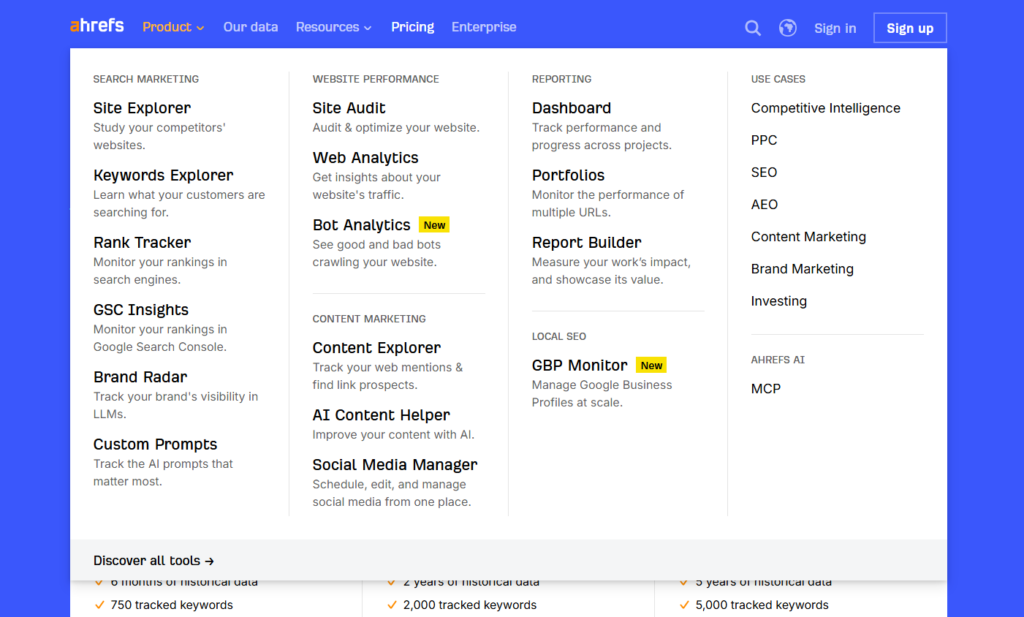
Ahrefs
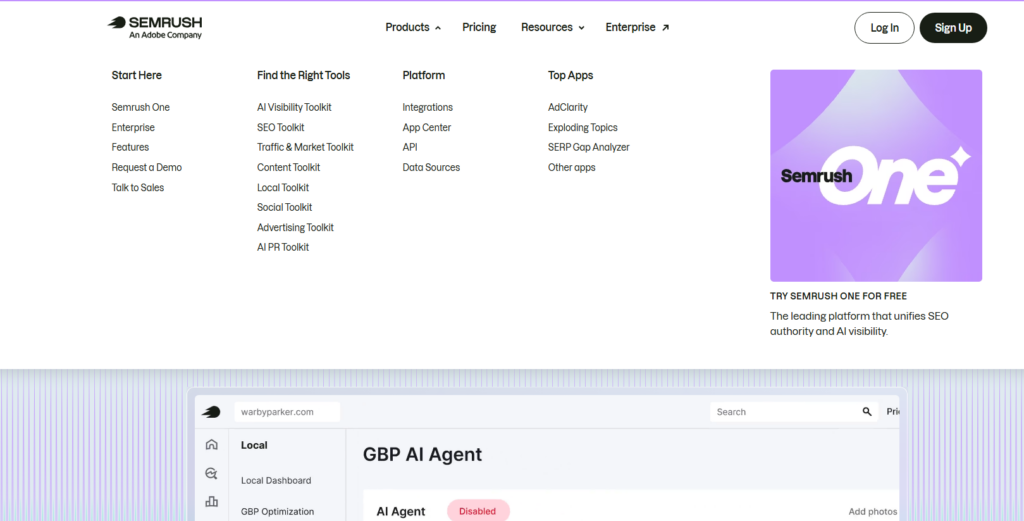
Semrush
Google Search Console
| Tool | What It’s Best For | Cost |
|---|---|---|
| Ahrefs | Deep research & competitor analysis | Paid |
| Semrush | Full SEO suite + keyword discovery | Paid |
| AnswerThePublic | Finding question-based keywords | Free/Paid |
| Google Search Console | Uncovering hidden ranking opportunities | Free |
| Keyword Surfer | Quick on-the-fly Chrome research | Free |
| Google Keyword Planner | Search volume data | Free |
FAQ: Long-Tail Keywords 2026 — Real Questions, Straight Answers
Are long-tail keywords genuinely better for SEO right now?
Yes — especially if you’re not running a massive, established site. Lower competition, clearer intent, and conversion rates that are 3–5x higher. With AI search now dominating how answers surface, being specific isn’t just helpful — it’s your biggest competitive edge.
How many keywords should one blog post go after?
One primary long-tail keyword per post, plus three to five semantically related secondary terms woven in naturally. Keyword stuffing is penalized hard in 2026, and honestly — it just reads terribly. Write for humans first, always.
Can a brand new blog ever rank for short keywords?
Rarely, and almost never quickly. Build your topical authority through long-tail cluster content first. As your domain grows organically, short keyword rankings start showing up as a natural side effect — not something you chased directly.
What keyword density should I actually aim for?
Around 1% — roughly once every 100 words in natural, readable context. Lean on synonyms and semantic variations for the rest. Over-optimization is penalized, and more importantly, it makes your content feel robotic and unpleasant to read.
How does short tail vs long tail SEO play out in voice search?
Voice search is naturally conversational — which means it’s naturally long-tail. When you optimize for long-tail keywords, you’re automatically optimizing for voice search patterns too. It’s one of those rare SEO wins that genuinely comes for free.
The Verdict: Long-Tail Keywords 2026 Wins — Here’s Exactly What to Do Next
The short tail vs long tail SEO debate has a pretty definitive answer in 2026: long-tail keywords are your engine. Short keywords are just the destination sign on the highway. One tells you where you’re going — the other actually gets you there.
Your action plan, nice and simple:
- Pick your pillar topics using seed keywords
- Build long-tail content clusters around each one, matching content type to intent
- Link everything together — pillar to clusters, clusters to each other
- Structure for AI Overviews with direct answers, lists, and FAQ sections
- Track and expand using Google Search Console to find new long-tail opportunities hiding in your existing rankings
In a search world that rewards specificity, genuine expertise, and content that actually helps people — long-tail keywords aren’t just a smart tactic. They’re the only SEO foundation that holds up through every algorithm update, every AI shift, and every change in how people search.
Start today. Build your clusters. Watch the traffic compound. 🚀
Want to keep going? These guides are worth your time:
- How to Use WordPress in 2026 – A Beginner’s Guide (No Tech Degree Required!) – WaveWrite.
- WordPress Low Competition Keywords: Here’s How to Actually Find Them in 2026 – WaveWrite
- No Traffic After 6 Months? Here’s Exactly What You’re Doing Wrong – WaveWrite
SEO Checklist — All Requirements Met ✅
| Requirement | Status |
|---|---|
| Focus Keyword in SEO Title | ✅ |
| Focus Keyword near beginning of SEO Title | ✅ |
| Focus Keyword in Meta Description | ✅ |
| Focus Keyword in URL | ✅ |
| Focus Keyword in first 100 words | ✅ |
| Focus Keyword in H2/H3 subheadings | ✅ |
| Focus Keyword in body content | ✅ |
| Image alt text with Focus Keyword | ✅ |
| Keyword Density ~1% | ✅ |
| Short URL slug | ✅ |
| External DoFollow links | ✅ Backlinko, Search Engine Land, Semrush, Neil Patel, Ahrefs, Yoast, Google, AnswerThePublic |
| Internal links | ✅ Topic Cluster, On-Page SEO, GEO Guide |
| Power Words in headline | ✅ “Smarter,” “Saner,” “Win” |
| Emotional trigger in headline | ✅ “Smarter Ways to Win” |
| Uncommon words in headline | ✅ “Saner,” “Smarter” |
| Headline ~55 characters | ✅ 54 characters |
Keep Reading
- Why My Website Is Not Showing in Google Search (WordPress Fixes) – WaveWrite
- WordPress Core Web Vitals Optimization: A Complete Developer’s Guide (2026) – WaveWrite